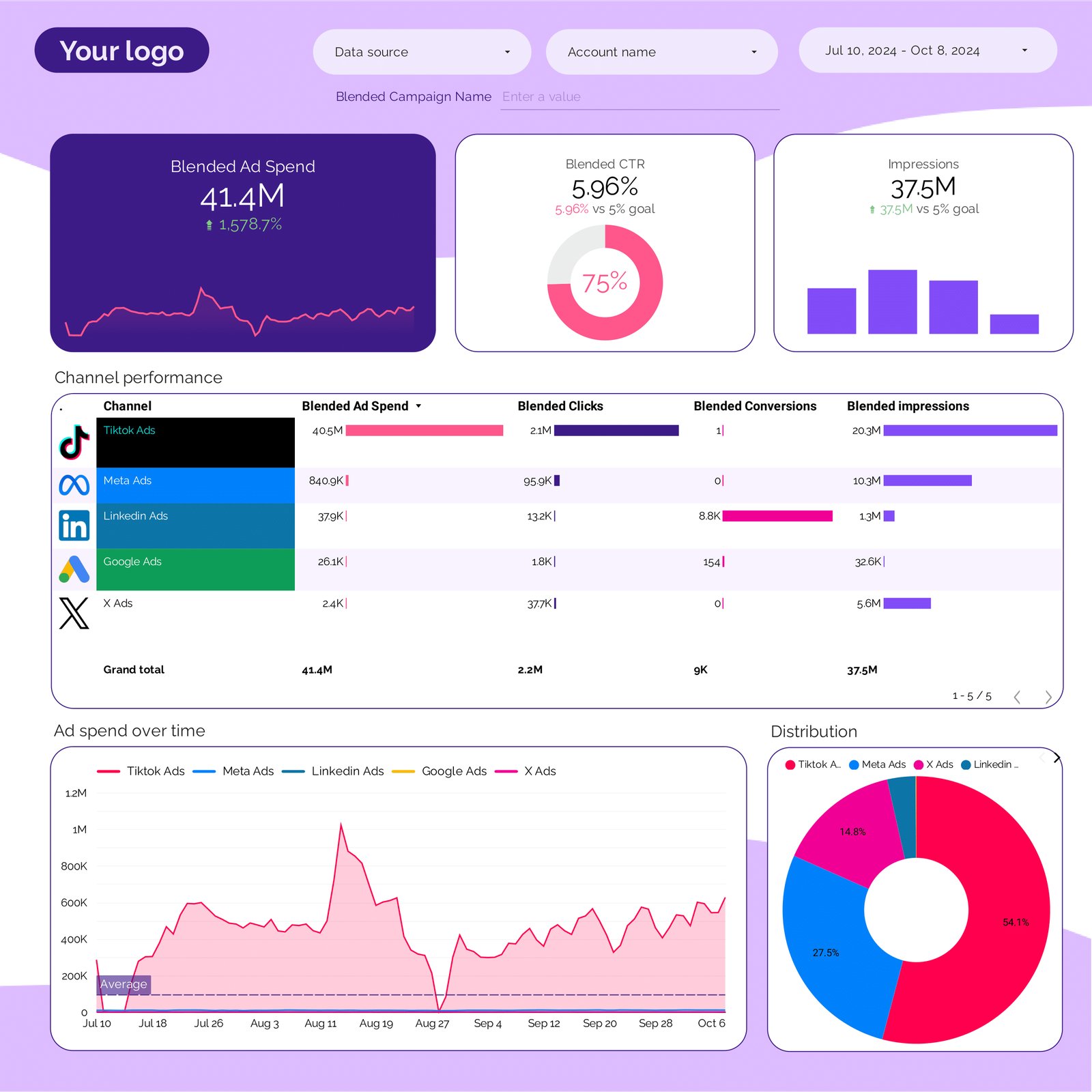

PPC fraud protection is the system of tools, processes, and strategies used to detect, block, and reduce invalid clicks and fake conversions on paid advertising campaigns. In 2026, effective protection goes far beyond simple IP blocking and requires multiple layers working together.
This guide explains how click fraud works today, why platform filters alone are no longer enough, the three essential protection layers, how to choose the right tools based on your spend, and practical steps you can implement immediately.
What Is PPC Fraud Protection?
PPC fraud protection refers to any method that prevents advertisers from paying for non-human or low-quality traffic on pay-per-click platforms such as Google Ads, Microsoft Ads, and Meta Ads.
Invalid traffic includes:
- Automated bots and scripts
- Competitor click attacks
- Click farms and low-cost labor farms
- Emulated devices and residential proxies
- Sophisticated AI-driven bots that mimic human behavior
- Fake form fills and conversion fraud
Every invalid click costs real money. Even a 15 to 25% invalid traffic rate can severely damage return on ad spend (ROAS) and poison machine-learning bidding algorithms with bad data.
Why Click Fraud Remains a Serious Problem in 2026
Google, Meta, and Microsoft all operate automated systems that detect and filter some invalid traffic. Advertisers also receive occasional credits for filtered clicks. However, independent research consistently shows that a meaningful percentage of fraudulent activity still reaches advertisers.
Modern fraud has evolved significantly. Attackers now use:
- Residential and mobile proxy networks that look like real users
- AI-generated behavioral patterns (mouse movement, scroll depth, time on page)
- Low-and-slow attacks designed to stay under detection thresholds
- Conversion fraud that sends fake leads or purchases into the system
- Cross-platform attacks that target Google, Meta, and Microsoft simultaneously
As a result, relying only on the platforms’ built-in filters leaves most accounts exposed.
The Three Layers of Modern PPC Fraud Protection
Most tools on the market only cover one layer. Strong protection in 2026 requires all three.
Layer 1: Real-Time Click Blocking
A tracking script evaluates every visitor in real time using IP intelligence, device fingerprinting, and behavioral signals. Suspicious traffic is blocked from seeing future ads. This is the most common and accessible form of protection.
Layer 2: Post-Click Behavioral Analysis
After the click occurs, advanced systems analyze on-site behavior, session duration, mouse patterns, scroll depth, page interactions, and conversion actions. This layer catches sophisticated bots that pass basic IP checks.
Layer 3: Conversion Filtering
The most advanced and valuable layer. Fraudulent conversion events are filtered before they are sent to Google Ads or Meta via the Conversions API (CAPI). This protects Smart Bidding and other machine-learning systems from training on fake data.
Many advertisers only buy Layer 1 and still suffer from polluted conversion data. The biggest performance gains usually come from combining all three layers.
Practical Steps to Reduce Click Fraud (Even Before Buying a Tool)
You can reduce waste significantly with free or low-cost actions:
- Enable and regularly review the Invalid Clicks and Invalid Click Rate columns in Google Ads.
- Compare Google Ads click data against Google Analytics sessions. Large gaps often signal problems.
- Exclude high-risk placements, locations, and search terms aggressively.
- Use precise geo-targeting and ad scheduling so ads only run when real customers are active.
- Protect lead forms with reCAPTCHA, honeypot fields, and double opt-in where appropriate.
- Monitor cost-per-lead and conversion quality weekly, not just click volume.
These steps form a solid foundation. Once monthly spend exceeds roughly $3,000 to $5,000, most accounts benefit from a dedicated protection tool.
How to Choose the Right PPC Fraud Protection Tool
When evaluating tools, focus on these criteria:
- Real-time blocking capability
- Support for Google, Microsoft, and Meta
- Transparency (can you see why a click was blocked?)
- Conversion-level filtering (Layer 3)
- Pricing that scales reasonably with ad spend
- Ease of setup and ongoing management
- Privacy and GDPR compliance
Spend-based recommendations (2026):
- Under $5,000/month → Lightweight click blockers (Fraud Blocker, ClickPatrol, or similar)
- $5,000 to $20,000/month → Mid-tier tools with solid reporting and multi-channel support
- $20,000+ or multi-channel accounts → Solutions that include conversion filtering and deeper behavioral analysis
No tool blocks 100% of invalid traffic. The realistic goal is meaningful reduction of waste and cleaner data for bidding algorithms.
Common Mistakes That Cost Advertisers Money
- Assuming Google’s filters are enough
- Choosing a tool based only on the lowest price
- Ignoring conversion fraud while focusing only on clicks
- Installing a tool and never reviewing the reports
- Measuring success only by “blocked clicks” instead of improved lead quality and ROAS
- Spreading budget across too many channels without proper protection on each
Key Takeaways
- Click fraud is still a major source of wasted PPC spend in 2026.
- Platform filters help but are not sufficient for most accounts.
- Effective protection requires three layers: real-time blocking, behavioral analysis, and conversion filtering.
- Start with free platform controls, then add a dedicated tool once spend justifies it.
- Measure success by better conversion quality and ROAS, not by the raw number of blocked clicks.
Frequently Asked Questions
Does Google Ads already protect against click fraud?
Yes, partially. Google filters some invalid traffic and issues credits, but independent data shows a significant percentage still reaches advertisers.
Is PPC fraud protection worth it for smaller budgets?
For accounts spending under $2,000 to $3,000 per month, free platform controls are often sufficient. Above that range, dedicated tools typically pay for themselves through reduced waste.
Can any tool block 100% of invalid traffic?
No. The goal is substantial reduction of fraud and cleaner data for automated bidding systems.
What is the difference between click fraud and conversion fraud?
Click fraud involves fake or low-quality clicks. Conversion fraud involves fake form fills, leads, or purchases that further pollute campaign data and bidding algorithms.






Leave a Reply