
At $40 per hour, you earn $83,200 per year working full time (40 hours per week for 52 weeks). That breaks down to about $6,933 per month or $1,600 per week before taxes. Overtime at $60 per hour can push earnings higher, while taxes and deductions typically bring take-home pay to roughly $62,000 to $68,000 for a single filer.
If you earn $40 per hour, knowing the equivalent annual salary helps with budgeting, job comparisons, loan applications, and financial planning. The exact yearly amount depends on how many hours you work each week and how many weeks you work per year. This detailed guide provides complete calculations for a $40 hourly wage, different work schedules, tax considerations, overtime impact, and practical insights into real take-home pay.
How Much Is $40 Per Hour Per Year?
The standard full-time calculation uses 40 hours per week and 52 weeks per year: $40 x 40 hours per week x 52 weeks = $83,200 per year. This is the most commonly used figure when converting a $40 hourly rate into an annual salary for full-time work.
Annual Salary at Different Work Schedules
| Weekly Hours | Weeks Worked | Annual Gross Pay at $40/hr |
|---|---|---|
| 40 | 52 | $83,200 |
| 40 | 50 | $80,000 |
| 35 | 52 | $72,800 |
| 30 | 52 | $62,400 |
| 45 | 52 | $93,600 |
| 20 | 52 | $41,600 |
All amounts shown are gross pay before taxes and deductions.
Monthly, Biweekly, and Weekly Breakdown
For the standard full-time salary of $83,200 per year:
- Monthly gross pay: approximately $6,933.
- Biweekly gross pay: approximately $3,200.
- Weekly gross pay: $1,600.
These figures help with monthly budgeting and comparing job offers that list different pay frequencies.
Overtime Impact at $40 Per Hour
Overtime is typically paid at 1.5 times the regular rate.
- Overtime rate: $60 per hour.
- 5 hours of overtime per week: additional $15,600 per year.
- 10 hours of overtime per week: additional $31,200 per year.
Consistent overtime can significantly increase total annual earnings above the base $83,200.
Estimated Take-Home Pay
Gross pay of $83,200 is reduced by several deductions:
- Federal income tax.
- State income tax (if applicable).
- Social Security tax.
- Medicare tax.
- Health insurance premiums.
- Retirement contributions (401k, etc.).
- Other voluntary deductions.
Rough take-home estimate for a single filer in a moderate-tax state often falls between $62,000 and $68,000 per year, depending on exact location, filing status, and benefits. Use a local tax calculator for a more precise number.
Is $40 Per Hour a Good Wage?
$40 per hour equals $83,200 per year at full-time hours. This is above the national median household income in many areas and is generally considered a solid middle-to-upper-middle income, especially for single earners or dual-income households. However, the real value depends heavily on:
- Cost of living in your city.
- Family size.
- Debt and housing costs.
- Local taxes.
In high-cost cities, $83,200 may feel more modest, while in lower-cost areas it provides greater financial comfort.
Full-Time vs Part-Time at $40 Per Hour
Full-time work maximizes total earnings and often includes benefits such as health insurance and retirement matching. Part-time schedules offer more flexibility but result in lower annual income and may not include the same benefits.
How to Calculate Any Hourly Rate to Yearly Salary
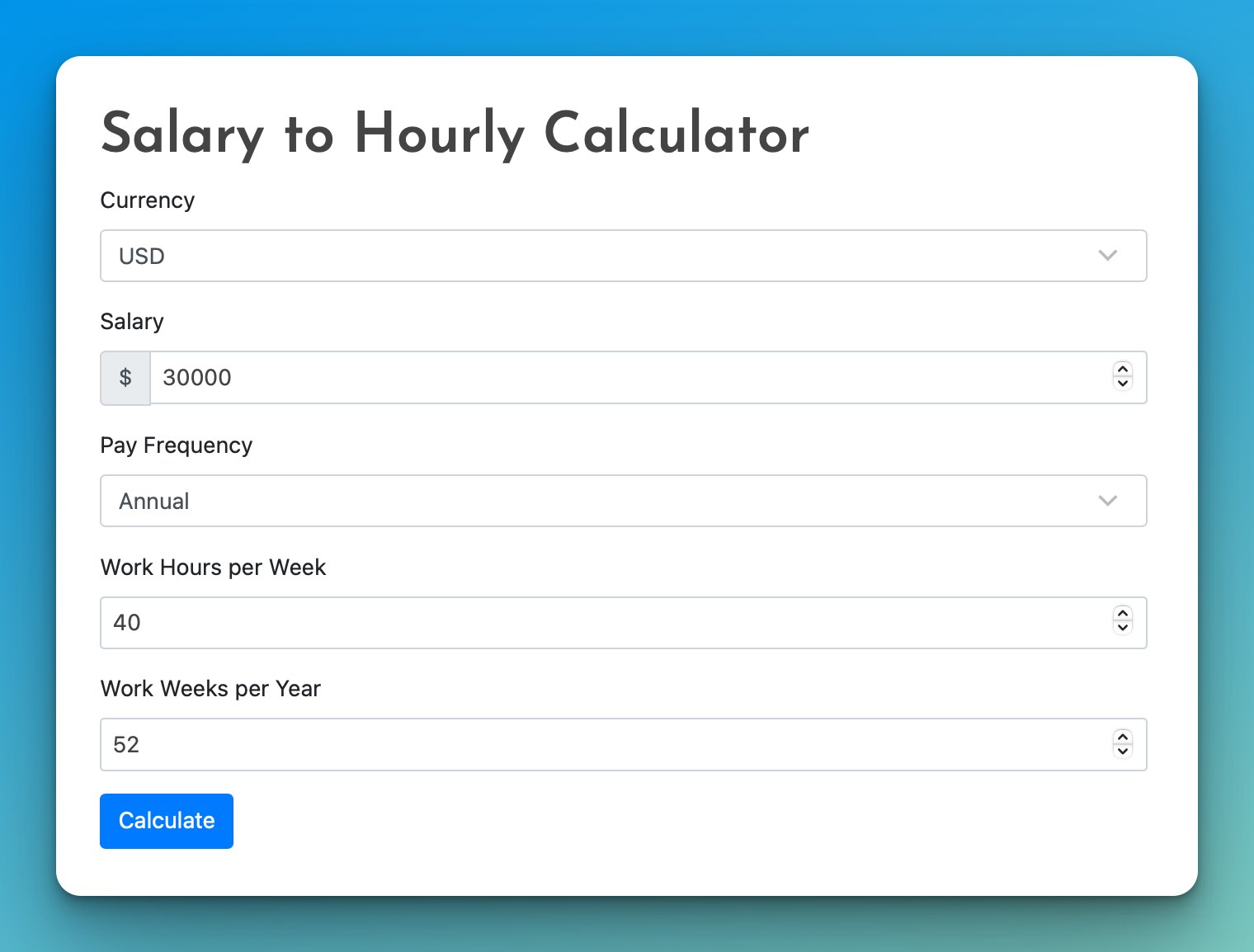
Use this simple formula: Hourly rate x Hours per week x Weeks per year = Annual gross salary. Example for $40/hr at 40 hours and 52 weeks: 40 x 40 x 52 = 83,200.
Key Takeaways
- $40 per hour equals $83,200 per year at 40 hours per week and 52 weeks.
- Different weekly hours or weeks worked change the annual total.
- Overtime at $60 per hour can substantially increase earnings.
- Taxes and deductions reduce take-home pay below the gross amount.
- The practical value of the salary depends on location and personal expenses.
- Always calculate both gross and estimated net pay when evaluating a job offer.
Official resources: U.S. Bureau of Labor Statistics – wage data
Frequently Asked Questions
How much is $40 an hour annually?
At 40 hours per week and 52 weeks per year, it equals $83,200 before taxes.
How much is $40 an hour after taxes?
Take-home pay varies by state and deductions. A common range for a single filer is roughly $62,000 to $68,000 net per year.
Is $40 an hour good money?
Yes, in most parts of the country it is considered a strong wage, though high cost-of-living areas reduce its purchasing power.
How do I calculate monthly pay from $40 per hour?
Divide the annual gross amount by 12. For full-time work, this is approximately $6,933 per month before taxes.
Does the $83,200 figure include benefits?
No. It represents gross wages only. Health insurance, retirement matching, and other benefits are additional.







Leave a Reply