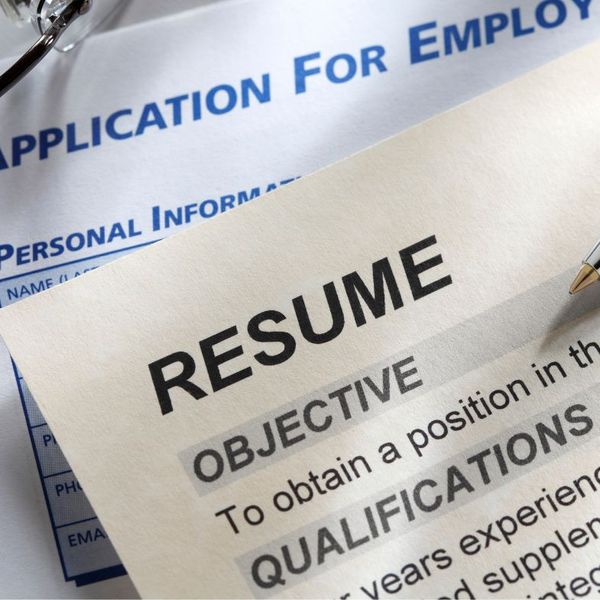

A career objective is a short statement at the top of a resume, usually one to three sentences, that explains the role you seek and the value you bring. It works best for recent graduates, career changers, and anyone targeting a specific position. Keep it under 60 words and tailor it to every application.
What Is a Career Objective?
A career objective is a brief statement, usually 1 to 3 sentences, that appears near the top of a resume. It tells employers what type of role you are seeking, what skills or experience you bring, how you hope to contribute to the organization, and your short-term professional direction. It is more forward-looking than a professional summary, which focuses mainly on past achievements.
Career Objective vs. Professional Summary
| Aspect | Career Objective | Professional Summary |
|---|---|---|
| Focus | Future goals | Past experience and achievements |
| Length | 1 to 3 sentences | 3 to 5 sentences or bullet points |
| Best for | Career changers, entry-level | Experienced professionals |
| Tone | Aspirational | Results-oriented |
| Common today | Less common but still useful | More widely used |
When to Use a Career Objective
A career objective is most helpful when:
- You are a recent graduate or entry-level candidate.
- You are changing careers.
- You are targeting a very specific role or industry.
- You have limited work experience.
- You want to clarify your direction for the employer.
Experienced professionals with a clear track record often benefit more from a professional summary.
How to Write a Strong Career Objective
Follow this simple formula: [Your profession or target role] + [Key skills or strengths] + [What you aim to achieve or contribute].
- Identify the exact type of role you want.
- Highlight 1 to 2 relevant skills or experiences.
- Mention the value you can bring to the employer.
- Keep it concise and specific.
- Tailor it for each job application.
- Avoid generic phrases such as “seeking a challenging position.”
Good Career Objective Examples
Entry-Level Example
“Recent marketing graduate with internship experience in social media and content creation seeking a junior marketing coordinator role to apply analytical and creative skills in a growing digital team.”
Career Changer Example
“Customer service professional with five years of client communication experience transitioning into a human resources coordinator position, bringing strong interpersonal skills and a commitment to employee support.”
Specific Role Example
“Detail-oriented data analyst proficient in SQL and Excel seeking a business intelligence analyst role where I can turn complex data into actionable insights for operational improvement.”
Common Mistakes to Avoid
- Writing a generic objective that could apply to any job.
- Focusing only on what you want rather than what you offer.
- Making it too long (more than 3 to 4 lines).
- Using outdated phrases.
- Failing to tailor it to the specific job.
- Including personal goals unrelated to the role.
Career Objective Best Practices
- Keep it under 50 to 60 words.
- Use keywords from the job description.
- Make it specific to the role and company when possible.
- Focus on contribution as well as goals.
- Update it for every application.
- Place it directly below your contact information.
- Proofread carefully.
Should You Still Use a Career Objective in 2026?
Yes, in the right situations. While many resumes now lead with a professional summary, a career objective remains effective for candidates who need to explain their direction clearly. Recruiters spend little time on each resume, so a focused objective can quickly show relevance.
Frequently Asked Questions
What is a career objective on a resume?
It is a brief statement that outlines your career goals and the skills you bring to a specific type of role.
How long should a career objective be?
One to three sentences, ideally under 60 words.
Is a career objective still necessary?
It is optional. Use it if you are early in your career, changing fields, or need to clarify your direction. Otherwise, a professional summary may be stronger.
What is the difference between a career objective and a resume summary?
An objective focuses on future goals. A summary highlights past achievements and experience.
Should I include a career objective if I have a lot of experience?
Usually not. Experienced candidates typically benefit more from a professional summary that showcases results.





Leave a Reply