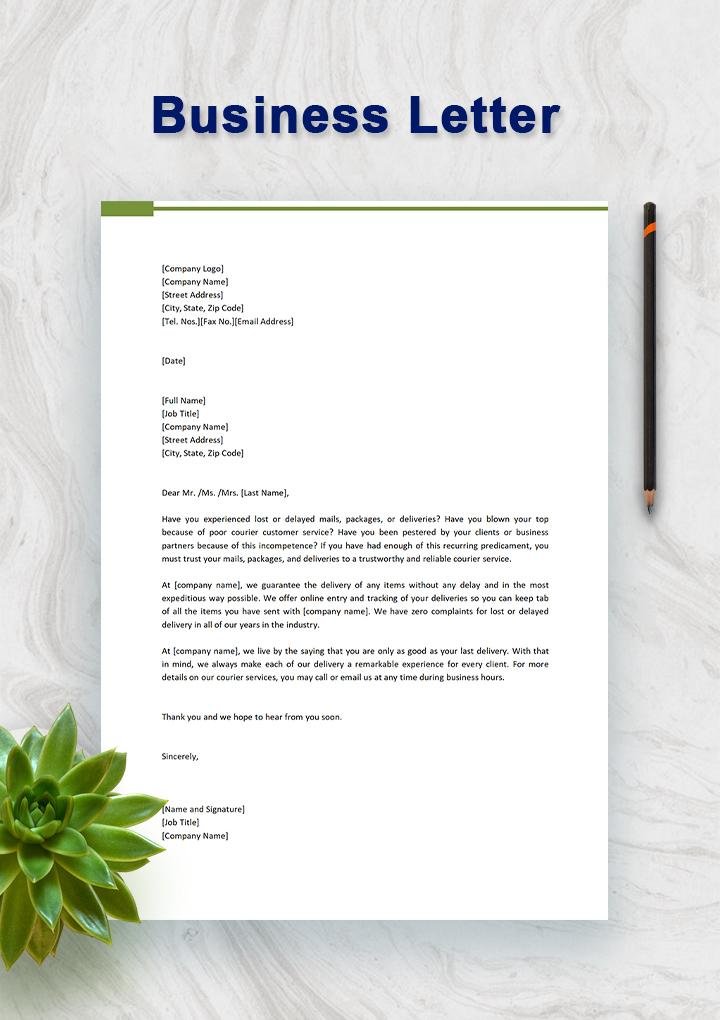

An experience letter is an official document issued by an employer that confirms an employee’s work history, job role, duration of employment, and performance. It is commonly required when applying for a new job, visa, higher education, or professional memberships.
This guide explains what an experience letter is, why it is important, what it should contain, how to request one, and provides a clear sample format you can use.
What Is an Experience Letter?
An experience letter (also called an employment certificate or service certificate) is a formal letter written on company letterhead. It verifies that a person worked for the organisation for a specific period in a particular position.
Unlike a recommendation letter, an experience letter mainly focuses on factual details such as:
- Employee full name
- Job title or designation
- Employment start date and end date
- Key responsibilities
- Overall conduct or performance (optional but useful)
Why an Experience Letter Is Important
An experience letter serves several important purposes:
- It acts as official proof of work experience
- Employers often ask for it during background verification
- It supports visa and immigration applications
- Universities may request it for admission into professional courses
- It helps in building a professional record
Having a well-written experience letter can make job applications and verification processes smoother.
Key Elements of a Good Experience Letter
A strong experience letter should include the following details:
- Company letterhead with logo and contact information
- Date of issue
- Subject line, for example “Experience Certificate” (optional but recommended)
- Employee full name
- Employee designation or job title
- Department (if applicable)
- Exact period of employment (start date and end date)
- Brief description of roles and responsibilities
- Statement about conduct or performance (optional but recommended)
- Name, designation, and signature of the authorised person
- Company stamp (where applicable)
The legal name, job title, exact dates, company name and authorised signature must be accurate. Errors in these details can create problems during background verification.
Sample Experience Letter Format
Here is a clean and professional sample you can adapt:
[Company Letterhead]
Date: [Insert Date]
To Whom It May Concern,
Subject: Experience Certificate
This is to certify that [Employee Full Name] was employed with [Company Name] as [Job Title] in the [Department Name] from [Start Date] to [End Date].
During this period, [he/she/they] was responsible for [briefly list 3-5 key responsibilities]. [Employee Name] performed [his/her/their] duties with dedication and maintained a professional attitude throughout the tenure.
We found [him/her/them] to be hardworking, reliable, and a valuable member of the team. We wish [him/her/them] success in all future endeavours.
Sincerely,
[Authorised Person Name] [Designation] [Company Name] [Contact Information]
Short version
For a brief confirmation of employment, a shorter letter works:
[Company Letterhead]
Date: [Insert Date]
To Whom It May Concern,
This is to certify that [Employee Full Name] worked with [Company Name] as [Job Title] from [Start Date] to [End Date]. During the employment period, [he/she/they] performed [his/her/their] responsibilities satisfactorily.
We wish [Employee Name] the best in future career pursuits.
Sincerely, [Authorised Person Name] [Designation] [Company Name]
Experience Letter Format Variations by Situation
The core structure stays the same, but the wording changes depending on why the employee is leaving and what the letter will be used for.
Format for a Regular Resignation
This is the most common case. The employee served the notice period and left on good terms. The letter states the full employment period, the final designation, a brief summary of responsibilities, and a closing line wishing the employee success. If the person was promoted during their tenure, list both the starting and final designation with dates, because new employers often check career progression.
Format for an Internship
Internship letters are shorter. They usually include the internship duration, the department or project, the supervisor’s name, and a sentence or two describing the work. Many universities ask students to submit this letter as proof of practical training, so the dates should be precise. Some institutions also want the total number of hours, so ask the student whether their college requires it.
Format for Contract or Freelance Work
When the person was not a permanent employee, the letter should say so clearly. Phrases such as “engaged on a contract basis” or “worked with us as an independent consultant” avoid confusion during verification. Presenting a contract role as permanent employment can create legal and compliance problems for the company.
Format After Layoffs or Restructuring
When a role is eliminated, employees often worry that the letter will hurt their job search. A neutral line such as “The position was discontinued as part of an organisational restructuring” protects the employee and is factually accurate. It signals that the exit was not related to performance.
Format for Short Tenures
For tenures of a few months, still follow the full format. Two clear sentences about the work completed give the next employer useful context.
Practical Layout Rules
Formatting is not only about which sections appear. The visual layout also affects how professional the letter looks and how easy it is to verify.
- Length: Keep it to one page. Verification officers read many letters and prefer short, clear documents.
- Font: Use a standard business font such as Arial, Calibri, or Times New Roman at 11 or 12 points.
- Margins: One inch on all sides is the common standard and prints cleanly.
- Alignment: Left aligned body text is easier to read than fully justified text.
- Dates: Use one date style throughout, for example 15 October 2026. Mixing styles looks careless.
- File type: Share a signed PDF rather than an editable Word file. A PDF is harder to alter and looks more official.
- Digital signature: If you use one, make sure the signing platform records the signer’s identity and time.
How to Request an Experience Letter
Follow these simple steps when requesting an experience letter:
- Check your company policy (some organisations have a standard process)
- Send a polite formal email to HR or your reporting manager
- Mention your full name, employee ID, designation, and employment dates
- Request the letter on company letterhead
- Give reasonable time for processing (usually 3 to 7 working days)
- Follow up politely if needed
Tips for Employees
- Request the experience letter before your last working day if possible
- Keep a scanned copy and the original in a safe place. Companies merge, close or change systems, and replacements can be hard to get years later.
- Verify that all dates and job titles are accurate
- Ask for a digital signed version if the company provides it
- Do not exaggerate roles when describing your work later in interviews
- If your designation changed several times, ask for all titles to be listed with dates
- If you find an error, ask for a corrected letter rather than editing it yourself. Altering an official letter can be treated as document fraud
Tips for Employers Writing the Letter
- Always use official letterhead
- Keep the tone professional and factual
- Avoid negative comments
- Be accurate with dates and designations
- Sign and stamp the letter properly
- Provide both printed and digital copies when possible
Step by Step: How HR Should Prepare an Experience Letter
- Confirm the exit details. Check the last working day in the HR system and confirm that the notice period is settled.
- Pull records from the HR system. Copy the legal name, employee ID, joining date, and designation history directly from records.
- Ask the manager for a role summary. A short note from the reporting manager makes the responsibilities section accurate.
- Draft using the approved template. Fill only the variable fields and do not rewrite the legal parts.
- Review for accuracy. A second person should check names, dates, and designations against the records.
- Sign and stamp. The letter should be signed by an authorised HR representative or senior manager.
- Record and share. Save a copy in the employee file and send the signed PDF to the employee’s personal email address.
Difference Between Experience Letter and Relieving Letter
Many people confuse these two documents:
- An experience letter confirms the period of employment and role
- A relieving letter confirms that the employee has been relieved from duties and has completed all exit formalities
Some companies issue both in a single document, while others issue them separately.
Country and Industry Considerations
Experience letters are especially common in India, Pakistan, the Middle East, and parts of Southeast Asia, where many employers ask for them during hiring. In the United States and much of Europe, employers more often rely on direct reference checks or employment verification services, although a written letter is still useful, particularly for visa and immigration applications.
Some sectors have extra expectations:
- Healthcare: Letters may need to mention the department, registration number, and type of clinical work.
- Engineering and construction: Project names and the scale of work are often requested for professional body applications.
- Information technology: Technologies and tools used are sometimes listed briefly.
- Public sector: A formal service certificate may be required in a prescribed format.
When the letter is needed for immigration, the authority may set its own requirements, such as weekly hours, salary, and a detailed duty list. Always check the official guidance of the relevant country.
Common Mistakes to Avoid
- Incorrect employment dates
- Wrong job title
- Missing company letterhead or signature
- Vague description of responsibilities
- Delaying the request until it is urgently needed
Key Takeaways
- An experience letter is official proof of employment
- It should contain accurate dates, job title, and key responsibilities
- Always request it on company letterhead with proper authorisation
- Keep multiple copies for future use
- A clear and professional experience letter strengthens your professional profile
Frequently Asked Questions
Is an experience letter mandatory?
It is not always legally mandatory, but most employers and many institutions request it during verification.
Can I write my own experience letter?
No. It must be issued and signed by the employer on official letterhead.
What should I do if the company refuses to issue an experience letter?
Politely follow up in writing. If needed, you can use other documents such as salary slips, offer letter, and relieving letter as supporting proof.
How long does it take to get an experience letter?
Most companies issue it within 3 to 10 working days, depending on their internal process.
Is there a fixed legal format for an experience letter?
There is no single mandatory legal format in most places, but a professional structure with accurate details is widely expected.
Can an experience letter be issued on plain paper?
It is strongly preferred on company letterhead. Plain paper reduces credibility.
Is a signature required on an experience letter?
Yes. An authorised signature is necessary for the letter to be considered valid by most employers and institutions.
How detailed should the responsibilities section be?
A brief summary of three to five key responsibilities is usually sufficient. The letter does not need to list every task.
Can an experience letter be issued after an employee has left?
Yes. Many companies issue experience letters after the employee’s last working day upon formal request.
Should an experience letter mention salary?
Usually not. Salary is normally shared only on request, often in a separate salary certificate, unless a visa authority requires it.
Can I get an experience letter for an internship?
Yes. Most companies issue internship letters or certificates that state the duration, department, and nature of the work.
What if my company has closed?
Gather alternative proof such as offer letters, payslips, tax records, and bank statements. A former manager may also provide a signed reference.
Is a digitally signed experience letter valid?
In most cases, yes, provided the signature comes from an authorised person. Some authorities may still ask for a wet signature and stamp.






Leave a Reply