
40 times 52 equals 2,080. This calculation is commonly used to convert an hourly wage into an annual salary for full-time work. Many employers and employees use 40 hours per week and 52 weeks per year as the standard basis for yearly pay estimates.
This guide explains the calculation, why 40 × 52 is the standard figure, how it is used in salary discussions, and important factors that affect real annual earnings.
The Basic Calculation
40 × 52 = 2,080
This number represents the total hours worked in a year under a standard full-time schedule:
- 40 hours per week
- 52 weeks per year
When someone earns an hourly rate, multiplying that rate by 2,080 gives the estimated gross annual salary.
Example:
$20 per hour × 2,080 hours = $41,600 per year
Why 40 × 52 Is Used
The 40 × 52 method is widely used for several reasons:
- It matches the traditional full-time workweek in many countries
- It provides a simple and consistent way to compare hourly and salaried roles
- Employers often use it when posting annual salary equivalents
- Job seekers use it to evaluate hourly offers
It assumes the person works every week of the year without unpaid time off.
Common Salary Conversions Using 2,080 Hours
These figures are gross amounts before taxes and deductions.
Important Limitations of the 40 × 52 Method
While useful, this calculation has clear limitations:
- It does not account for unpaid vacation or sick days
- Some employers use 2,087 or 2,080 differently for payroll purposes
- Part-time schedules produce lower annual totals
- Overtime is not included
- Actual weeks worked may be less than 52
Because of these factors, real take-home pay and total hours can differ from the simple calculation.
How Employers Use This Number
Many companies convert hourly rates to annual salaries using 2,080 hours when:
- Writing job offers
- Comparing internal pay bands
- Estimating labor costs
- Creating salary ranges for job postings
Some organizations adjust the number slightly based on their specific work calendar or paid time off policy.
How to Calculate Your Own Annual Pay
To get a more accurate figure:
- Determine your average hours per week
- Multiply by the number of weeks you actually work
- Include expected overtime if relevant
- Subtract estimated unpaid time off
- Apply tax and deduction estimates for take-home pay
Example with unpaid time:
40 hours × 50 weeks = 2,000 hours $25 × 2,000 = $50,000 (instead of $52,000)
Key Takeaways
- 40 times 52 equals 2,080 hours
- This figure is the standard basis for converting full-time hourly wages to annual salary
- Multiplying an hourly rate by 2,080 gives the estimated gross yearly pay
- Real earnings may differ because of time off, overtime, and actual weeks worked
- The calculation is useful for comparisons but should be adjusted for individual situations
Frequently Asked Questions
Why do some calculators use 2,087 instead of 2,080?
Some payroll systems use 2,087 hours to account for the average number of work hours in a year more precisely, including leap years.
Does 40 × 52 include paid vacation?
The basic calculation assumes 52 full weeks of work. It does not automatically reduce hours for vacation unless you adjust the number of weeks.
How do I convert a salary back to an hourly rate?
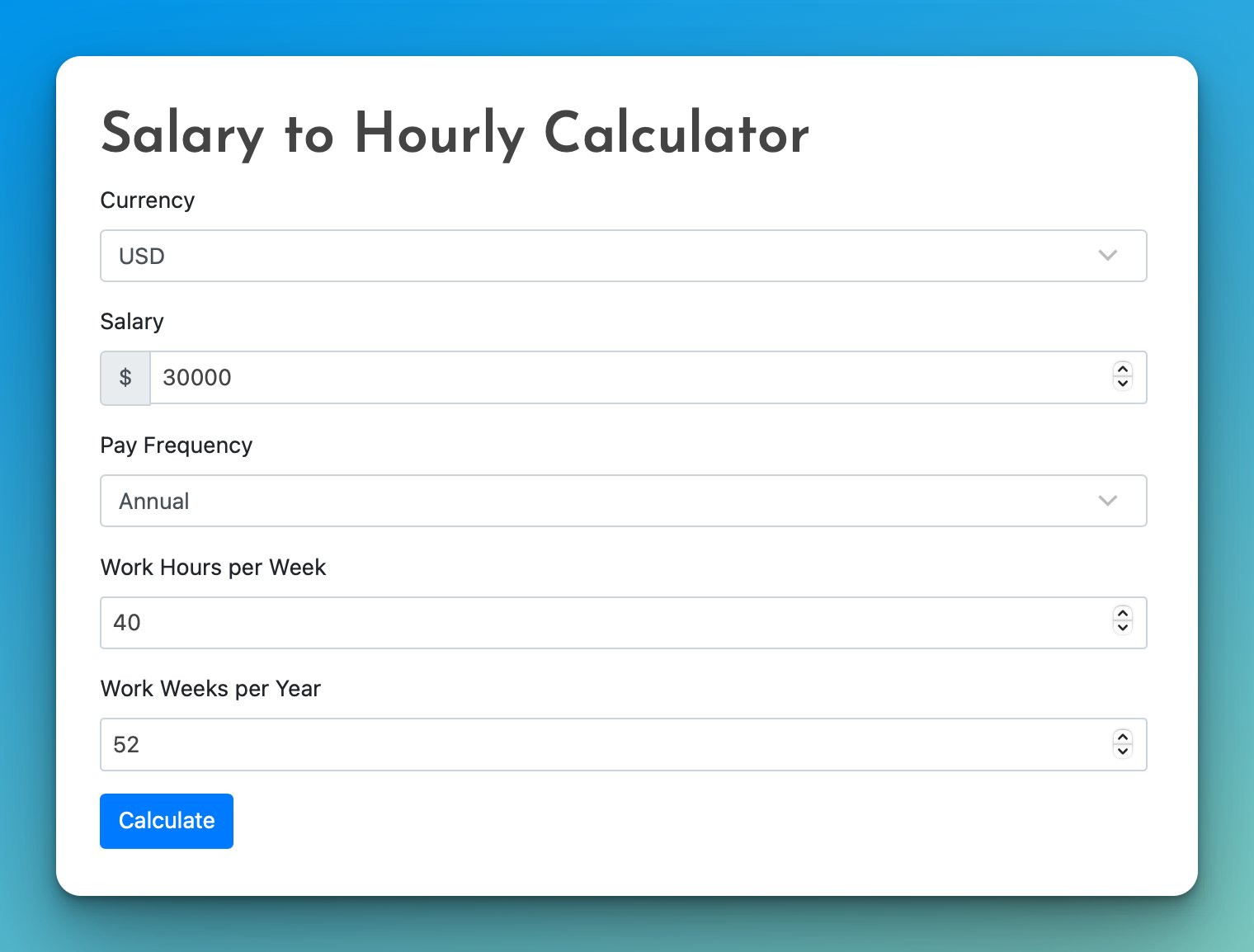
Divide the annual salary by 2,080. For example, $52,000 ÷ 2,080 = $25 per hour.
Is 2,080 hours accurate for everyone?
No. It is a standard estimate for full-time work. Actual hours depend on the employer’s schedule, paid time off, and overtime.







Leave a Reply