
HTTP status codes are three-digit numbers returned by a web server to indicate the result of a client’s request. They are a fundamental part of how the web communicates success, redirection, client errors, and server errors. Developers, SEO professionals, and system administrators rely on these codes to diagnose issues, improve user experience, and maintain website health.
This guide provides a comprehensive reference of HTTP status codes, organised by class, with clear explanations, common causes, and practical implications for websites and applications.
What Are HTTP Status Codes?
When your browser requests a page or resource, the server responds with an HTTP status code. This code is part of the HTTP response header and helps both humans and machines understand what happened.
Status codes are standardised mainly by the Internet Engineering Task Force (IETF) and maintained by IANA. The most widely used definitions come from RFC 9110.
Overview of HTTP Status Code Classes
HTTP status codes are grouped into five categories:
- 1xx (Informational): The request was received and processing is continuing.
- 2xx (Successful): The request was successfully received, understood, and accepted.
- 3xx (Redirection): Further action is needed to complete the request.
- 4xx (Client Error): The request contains an error or cannot be fulfilled.
- 5xx (Server Error): The server failed to fulfil a valid request.
Understanding these classes helps quickly identify the nature of a response.
1xx Informational Codes
These codes are rarely seen directly by end users.
2xx Success Codes
200 OK is the most common successful response code.
3xx Redirection Codes
Proper use of 301 and 308 is important for SEO when URLs change permanently, because they pass link equity. 302 and 307 are for temporary redirects.
4xx Client Error Codes
404 Not Found is one of the most frequently encountered client error codes.
5xx Server Error Codes
Frequent 5xx errors can negatively affect user experience and search engine crawling.
Why HTTP Status Codes Matter for SEO and Performance
- 301 redirects preserve link equity when pages move permanently.
- 404 errors should be minimised and properly handled to avoid wasting crawl budget.
- Soft 404s (pages that return 200 but display “not found” content) can harm SEO.
- 5xx errors signal server problems and may reduce crawl frequency.
- 304 responses improve performance through caching.
- 429 responses help protect servers from abuse while informing clients of rate limits.
Monitoring status codes is a standard part of technical SEO and website maintenance.
How to Check HTTP Status Codes
Common methods include:
- Browser developer tools (Network tab)
- Command-line tools such as curl -I
- Online HTTP status checkers
- SEO crawling software (for example Screaming Frog or Sitebulb)
- Server log analysis
Regular monitoring helps identify issues before they affect users or rankings.
Best Practices
- Use 301 redirects for permanent URL changes.
- Return proper 404 pages with helpful navigation.
- Avoid soft 404s.
- Monitor and resolve 5xx errors quickly.
- Implement appropriate caching headers.
- Use 429 responses responsibly for rate limiting.
- Keep redirect chains as short as possible.
Key Takeaways
- HTTP status codes communicate the result of a request between client and server.
- They are grouped into five classes ranging from informational to server errors.
- Correct usage supports better SEO, user experience, and site performance.
- 200, 301, 404, and 500 are among the most important codes to understand.
- Regular monitoring helps maintain a healthy website.
Frequently Asked Questions
What is the most common HTTP status code?
200 OK is the standard successful response. 404 Not Found is the most common client error.
What is the difference between 301 and 302 redirects?
301 indicates a permanent move and passes ranking signals. 302 indicates a temporary move.
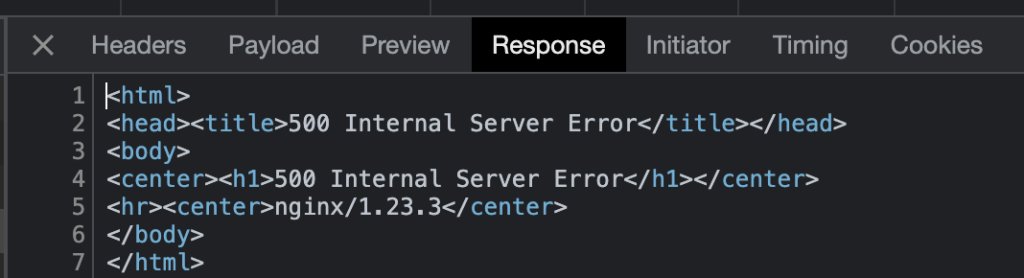
What does a 500 Internal Server Error mean?
It is a generic server-side error. The server encountered an unexpected condition and could not complete the request.
Should 404 errors be fixed?
Legitimate missing pages can return 404. However, large numbers of unintended 404s should be investigated and corrected where possible, because they can waste crawl budget and harm user experience.
Related Guides
Official resource: MDN Web Docs: HTTP Status Codes





Leave a Reply