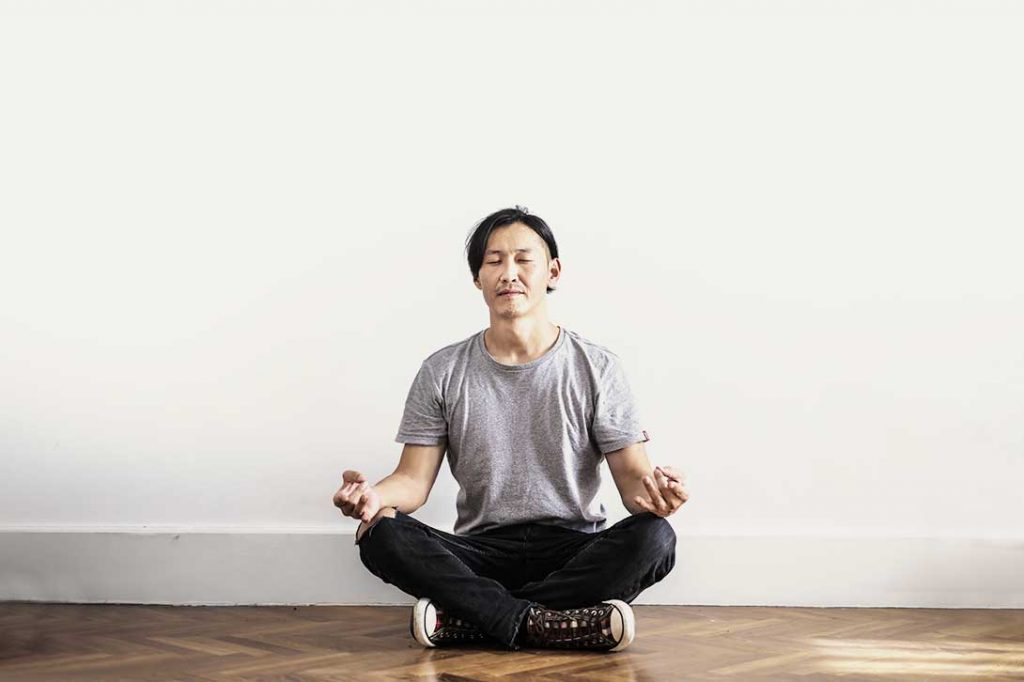

Regular meditation is linked to lower perceived stress, better focus and improved emotional balance. Even five minutes a day can help: sit quietly, focus on the breath, and gently return your attention whenever the mind wanders. It supports well-being but is not a replacement for medical care.
What Are the Benefits of Meditation?
The most consistently reported benefits include lower perceived stress, better focus, and improved emotional balance for regular practitioners. Research and long-term user experience both suggest it supports overall well-being when practiced consistently. The NCCIH research summary on meditation reviews what studies have found.
How Meditation Supports Your Health
Meditation seems to work partly through the repeated practice of returning attention to the present moment, which can reduce the habit of constant mental looping. Over time, practitioners often recover from distractions faster and feel less overwhelmed by busy days.
What Happens When You Meditate Daily
Common experiences include calmer reactions to stress, slightly better sleep for some people, and a clearer sense of what actually needs attention versus what can wait. Over months, many people find the benefits show up in ordinary daily life, not only during the meditation itself.
How to Start a Simple Daily Practice
- Sit quietly in a comfortable position.
- Focus on your breath.
- When your mind wanders, gently bring it back without judgment.
- Start with five minutes and treat it like any other habit.
No special equipment or long sessions are required.
Frequently Asked Questions
What does meditation do for your health?
The most consistent benefits are lower perceived stress, better focus, and improved emotional balance. It supports well-being but is not a replacement for medical care.
How long should I meditate each day?
Even short sessions appear helpful. Starting with five minutes a day is a practical beginning.
How do I meditate as a beginner?
Sit quietly, focus on the breath, and gently bring your mind back whenever it wanders. No equipment is needed.
How soon will I notice benefits?
The change is usually gradual. Many people notice differences after a few weeks, with more noticeable effects over months.
Can meditation replace medical treatment?
No. Meditation supports overall well-being but is not a replacement for medical care.






Leave a Reply