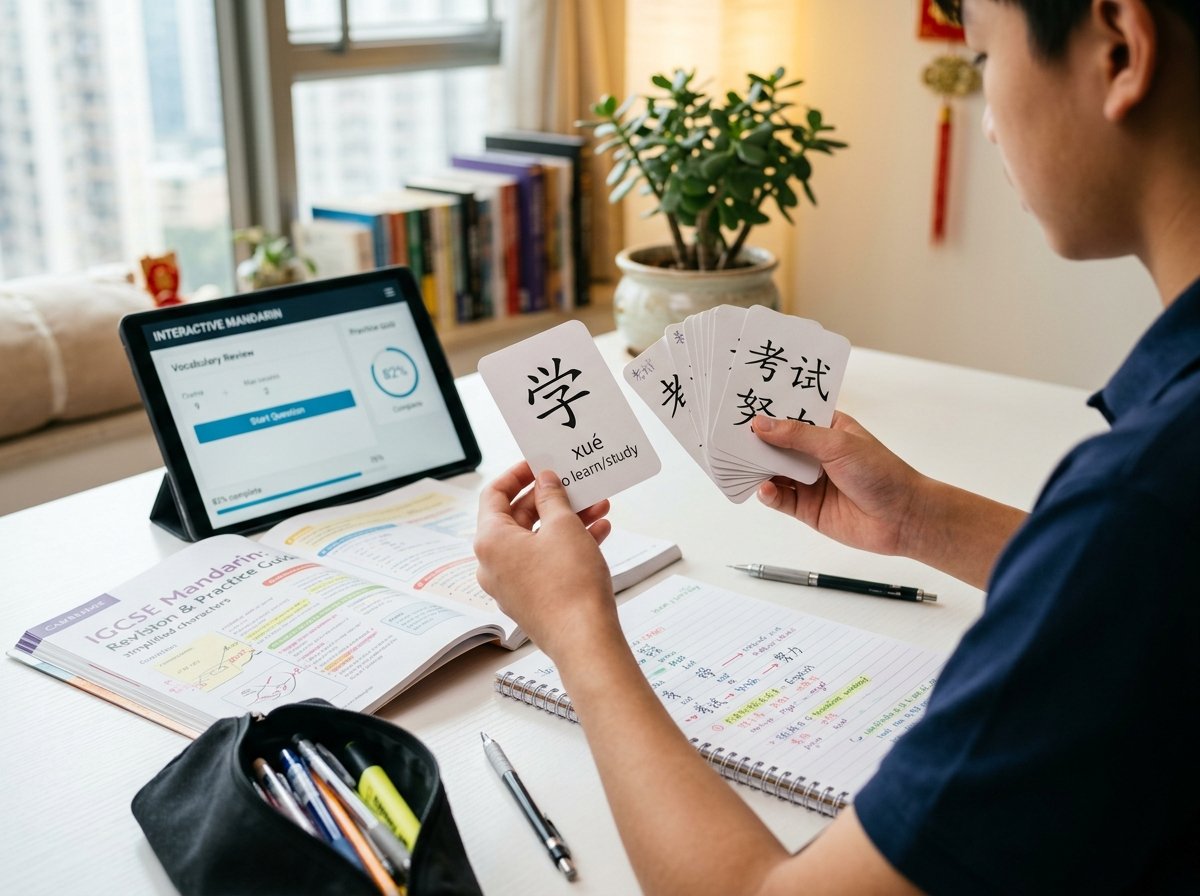

Flashcards are one of the most effective study tools for memorising information. They work by forcing active recall and supporting spaced repetition, two principles strongly supported by learning science. Students, language learners, medical trainees, and professionals use flashcards to retain vocabulary, definitions, formulas, concepts, and facts more efficiently than passive reading.
This guide explains how flashcards improve memory, the difference between physical and digital cards, how to create high-quality cards, proven study techniques, common mistakes, and advanced methods for better long-term retention.
What Are Flashcards?
A flashcard is a card with a prompt on one side and the answer or related information on the other. The learner looks at the prompt, tries to recall the answer, and then checks for accuracy. This simple process strengthens memory more effectively than rereading notes.
Flashcards are commonly used for:
- Language vocabulary
- Medical and legal terminology
- Historical dates and facts
- Scientific formulas and definitions
- Exam preparation
- Professional certification study
Why Flashcards Work
Flashcards are effective because they use several well-established learning principles:
Active Recall
Actively retrieving information from memory strengthens neural pathways more than passively reviewing material.
Spaced Repetition
Reviewing information at increasing intervals helps move knowledge into long-term memory. The aim is to review a card right before you would forget it; apps such as Anki automate this scheduling based on how well you recall each card.
Immediate Feedback
Checking the answer right away corrects errors before they become reinforced.
Focused Practice
Each card targets one idea, reducing cognitive overload.
Research in cognitive psychology consistently shows that active recall combined with spaced repetition outperforms highlighting, rereading, and cramming.
Physical vs Digital Flashcards
Physical Flashcards
Handwritten cards on paper or index cards. Writing by hand can aid memory, and there are no digital distractions. However, scheduling reviews manually takes more effort.
Digital Flashcards
Apps such as Anki, Quizlet, and similar platforms automate spaced repetition. They track which cards you know well and which need more review. Digital cards are easier to carry, sync across devices and can include images or audio.
Many learners use both depending on the subject and situation.
How to Create Effective Flashcards
- Focus on one idea per card.
- Write clear and specific prompts.
- Use your own words instead of copying text directly.
- Add examples or context when helpful.
- Include images for visual concepts.
- Keep both sides concise.
- Mix question formats.
- Test yourself while creating the cards.
Weak card:
Front: Photosynthesis Back: Process plants use to make food
Stronger card:
Front: What is the main purpose of photosynthesis in plants? Back: To convert light energy into chemical energy (glucose) using carbon dioxide and water
Best Practices for Studying with Flashcards
- Use active recall every time. Do not flip the card immediately.
- Apply spaced repetition. Review difficult cards more frequently.
- Mix old and new cards in each session.
- Study in short, focused sessions.
- Say answers out loud when possible.
- Review regularly instead of only before exams.
- Remove or rewrite cards you consistently miss.
- Combine flashcards with practice questions and deeper study.
Advanced Flashcard Techniques
Cloze Deletion
Hide key words in a sentence and test yourself on the missing parts. This is especially useful for definitions and processes.
Image Occlusion
Cover parts of diagrams or images and recall the hidden sections. Effective for anatomy, geography, and technical diagrams.
Interleaving
Mix cards from different topics in one session to improve discrimination and long-term retention.
Self-Explanation
After recalling an answer, briefly explain why it is correct. This deepens understanding.
Common Mistakes to Avoid
- Putting too much information on one card
- Only reading cards instead of actively recalling answers
- Creating large decks and never reviewing them
- Relying only on pre-made cards without personalising them
- Studying all cards equally instead of focusing on weak areas
- Using flashcards as the only study method for complex subjects
- Never removing cards you have already mastered
How Many Cards Should You Review?
There is no fixed number. A practical starting point for many learners is 20 to 50 new cards per day, adjusted based on retention and available time. Quality of review matters more than quantity. It is better to thoroughly learn fewer cards than to rush through large numbers with poor recall.
Key Takeaways
- Flashcards support active recall and spaced repetition, two of the strongest learning techniques.
- One clear idea per card produces better results than overloaded cards.
- Digital tools automate scheduling, while physical cards reduce distractions.
- Consistent review is more important than creating large numbers of cards.
- Flashcards work best when combined with other study methods.
Frequently Asked Questions
Are digital flashcards better than paper ones?
Both can be effective. Digital tools excel at spaced repetition and large decks. Paper cards may help some learners focus better and benefit from handwriting.
How long does it take to see results?
Many people notice improved recall within one to two weeks of consistent daily review.
Can flashcards help with understanding, not just memorisation?
Yes, when cards include explanations, examples, or connections between ideas rather than isolated facts.
Should I use pre-made flashcard decks?
Pre-made decks can save time, but creating or editing your own cards usually leads to better retention because the act of making them supports learning.
What is the best flashcard app?
Anki is widely used for spaced repetition, while Quizlet is more beginner-friendly.
How many flashcards should I make?
As many as you need, but keep to one concept per card.





Leave a Reply