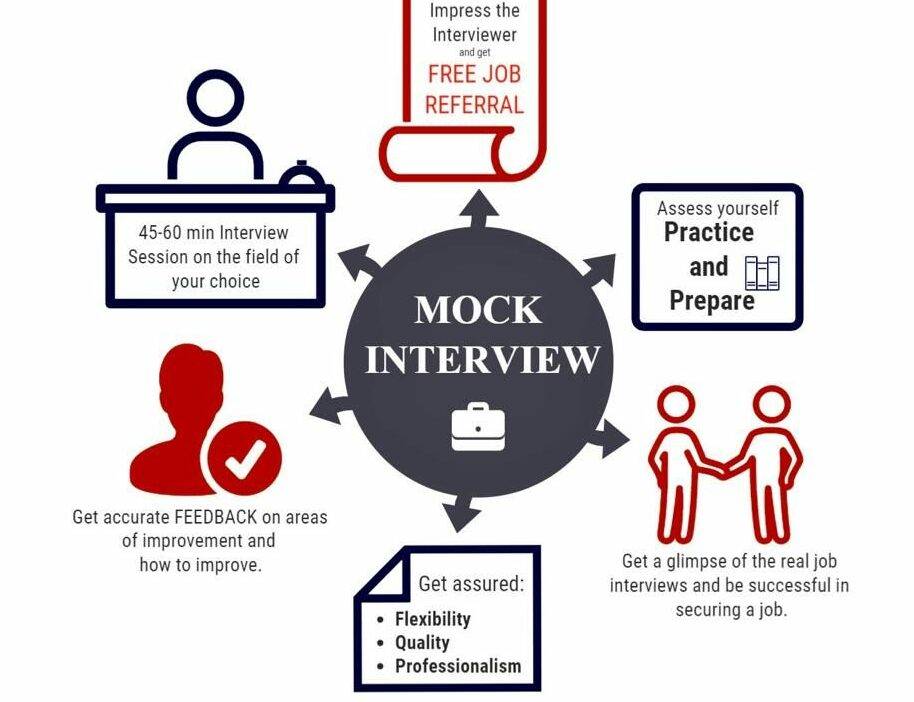

An interview coach helps you improve your answers, confidence, and performance before important interviews. Whether you work with a professional coach, use AI practice tools, or apply structured self-coaching methods, consistent practice with feedback beats passive preparation every time. Start as soon as you begin applying.
What Is an Interview Coach?
An interview coach is a person or system that helps candidates prepare for job interviews. Coaches provide feedback on answers, body language, storytelling, and strategy. Support can come from professional human coaches, career counselors, AI-powered interview practice tools, mentors or peers, and structured self-coaching using proven frameworks. The goal is to help you communicate your experience clearly and confidently.
Benefits of Working with an Interview Coach
- Receive honest feedback on your answers.
- Improve structure and clarity of responses.
- Reduce anxiety through realistic practice.
- Identify and fix weak points before the real interview.
- Learn how to handle difficult or unexpected questions.
- Gain confidence in your professional story.
- Increase overall interview performance.
Types of Interview Coaching
1. One-on-One Professional Coaching
A human coach conducts mock interviews and gives detailed feedback. This is usually the most personalized option.
2. AI Interview Coach Tools
Software that asks questions, analyzes your answers, and provides suggestions. Useful for frequent practice at lower cost.
3. Group Coaching or Workshops
Sessions with multiple candidates. Good for general skills and peer learning.
4. Self-Coaching
Using frameworks, recording yourself, and reviewing performance. Effective when combined with clear criteria.
How to Prepare Effectively with Interview Coaching
- Research the company and role thoroughly.
- Identify the most likely questions for the position.
- Prepare structured answers using the STAR method for behavioral questions.
- Practice out loud, not only in your head.
- Record your answers and review them.
- Get feedback from a coach, mentor, or AI tool.
- Refine weak answers based on feedback.
- Practice under timed conditions.
- Prepare thoughtful questions to ask the interviewer.
- Do a final mock interview close to the real date.
Key Areas an Interview Coach Should Help With
- Structuring clear and concise answers.
- Highlighting relevant achievements.
- Handling behavioral and situational questions.
- Improving tone, pace, and confidence.
- Managing nerves.
- Responding to unexpected questions.
- Asking strong questions at the end.
- Following up after the interview.
Common Interview Mistakes Coaches Help Fix
- Giving long, unfocused answers.
- Speaking too quickly or too quietly.
- Failing to provide specific examples.
- Not connecting experience to the job requirements.
- Appearing unprepared for basic questions.
- Using filler words excessively.
- Not researching the company.
- Ending the interview without asking questions.
How to Choose an Interview Coach or Tool
- Look for experience with your industry or role level.
- Check reviews or success stories.
- Confirm the coaching includes realistic mock interviews.
- Ensure you receive specific, actionable feedback.
- Consider cost and number of sessions.
- Test AI tools with sample questions before relying on them.
- Prefer coaches who focus on improvement rather than generic advice.
Self-Coaching Techniques That Work
- Use the STAR method (Situation, Task, Action, Result) for behavioral questions.
- Record yourself answering common questions and watch the recordings.
- Time your answers to stay within 1 to 2 minutes for most questions.
- Practice with a friend who can ask follow-up questions.
- Review the job description and match your examples to key requirements.
- Prepare a short professional introduction (60 to 90 seconds).
- Keep a list of your strongest achievements ready.
Measuring Your Progress
Track improvement by noting how clearly you explain your experience, reduction in filler words, ability to stay concise, confidence level during practice, quality of feedback received, and performance in actual interviews over time.
Frequently Asked Questions
Do I need a professional interview coach?
Not always. Many candidates improve significantly with self-practice, AI tools, and peer feedback. A professional coach is most valuable for high-stakes roles or when you need personalized guidance.
How many coaching sessions are usually needed?
Most people see clear improvement after 2 to 4 focused sessions combined with independent practice.
Can AI interview coaches replace human coaches?
AI tools are excellent for frequent practice and basic feedback. Human coaches are better for nuanced advice, industry insight, and complex situations.
What is the most important thing to practice?
Clear, structured answers to common and behavioral questions, along with a strong introduction.
How early should I start interview coaching?
Begin as soon as you start applying. Regular practice over several weeks is more effective than last-minute preparation.




Leave a Reply