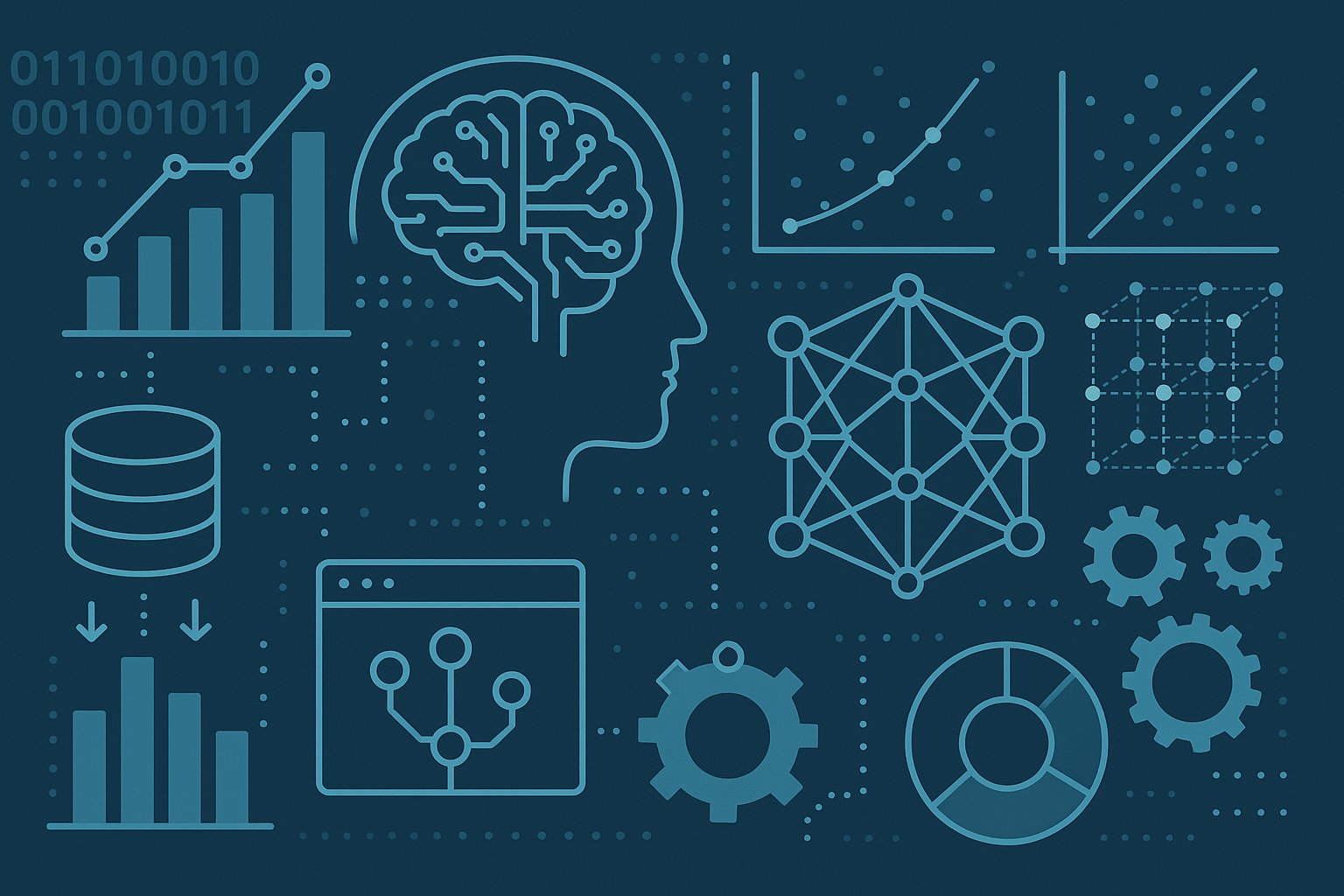

Artificial analysis refers to the use of artificial intelligence systems to evaluate, compare, or interpret information. In the context of large language models and AI tools, it often describes independent platforms that test and rank model performance. It can also apply more broadly to AI-driven examination of data, content, or systems.
This guide explains what artificial analysis means, where it is used, how it works, its benefits and limitations, and how to interpret AI-generated evaluations.
What Is Artificial Analysis?
Artificial analysis is the process of using AI models or automated systems to assess performance, quality, patterns, or outcomes. Instead of relying only on manual review, AI tools process information and produce scores, rankings, summaries, or insights.
In the AI industry, the term is frequently associated with independent testing platforms that benchmark large language models on speed, quality, cost, and specific capabilities.
Common Applications
AI Model Benchmarking
Platforms test language models on reasoning, coding, response quality, latency, and pricing to help users compare options.
Content Evaluation
AI systems can review written material for structure, clarity, consistency, or potential issues.
Data Pattern Detection
Automated analysis can identify trends, anomalies, or relationships in large datasets.
Performance Monitoring
Businesses use AI tools to track system behaviour, user activity, or operational metrics.
Decision Support
AI-generated analysis can provide additional input for human decision-making.
Typical application areas include business intelligence and reporting, scientific research, financial modelling, healthcare diagnostics support and manufacturing quality control.
How Artificial Analysis Works
Most systems follow a general process:
- Data or test cases are collected
- AI models process the information using defined criteria
- Results are scored, ranked, or summarised
- Outputs are presented for human review
The reliability of the analysis depends on the quality of the underlying models, test design, and evaluation criteria.
Key Techniques
- Machine learning classification and regression
- Natural language processing
- Computer vision for image-based analysis
- Anomaly detection algorithms
- Recommendation systems
Benefits of Artificial Analysis
- Processes large amounts of information quickly
- Applies consistent criteria across evaluations
- Reduces repetitive manual work
- Helps identify patterns that may be missed manually
- Supports faster comparisons between options
- Can be scaled to many tasks or models
Limitations and Risks
- AI systems can reflect biases present in training data
- Results may lack full contextual understanding
- Evaluation methods are not always fully transparent
- Over-reliance can reduce critical human judgment
- Scores do not always predict real-world performance
- Different platforms may produce different rankings
- Requires quality training data
- Interpretability can be challenging
These limitations mean artificial analysis should be used alongside human expertise.
Best Practices When Using AI Analysis
- Understand what criteria the system is measuring
- Treat results as supporting information rather than final decisions
- Cross-check important findings with other sources
- Consider the limitations of the specific tool or platform
- Combine AI analysis with domain knowledge
- Re-evaluate periodically as models and methods improve
What to Consider Before Using Artificial Analysis
- Define the problem clearly
- Ensure data quality and availability
- Choose appropriate models for the task
- Validate results with domain experts
- Monitor performance over time
- Address ethical and privacy concerns
Artificial Analysis vs Human Analysis
The strongest outcomes usually come from combining both approaches.
Key Takeaways
- Artificial analysis uses AI to evaluate models, data, or content
- It is commonly applied in AI model benchmarking and large-scale data review
- Speed and consistency are major advantages
- Results should be interpreted carefully and verified when important
- Human oversight remains valuable for context and final decisions
Frequently Asked Questions
Is artificial analysis the same as traditional data analysis?
Not exactly. Traditional data analysis often relies on statistical methods. Artificial analysis specifically involves AI-driven evaluation and interpretation.
Can artificial analysis replace human experts?
It can support experts by handling volume and consistency, but complex judgment and domain knowledge still benefit from human involvement.
How reliable are AI model leaderboards that use artificial analysis?
They provide useful comparisons, but rankings can vary by platform and do not always reflect real-world performance on specific tasks.
Where is artificial analysis most useful?
It is particularly helpful for comparing AI models, reviewing large volumes of content, detecting patterns, and supporting technical evaluations.
Do I need coding skills to use artificial analysis tools?
Not always. Many modern platforms offer no-code interfaces, though understanding the basics helps.
What industries use artificial analysis most?
Finance, healthcare, retail, manufacturing and technology are among the most common users.






Leave a Reply