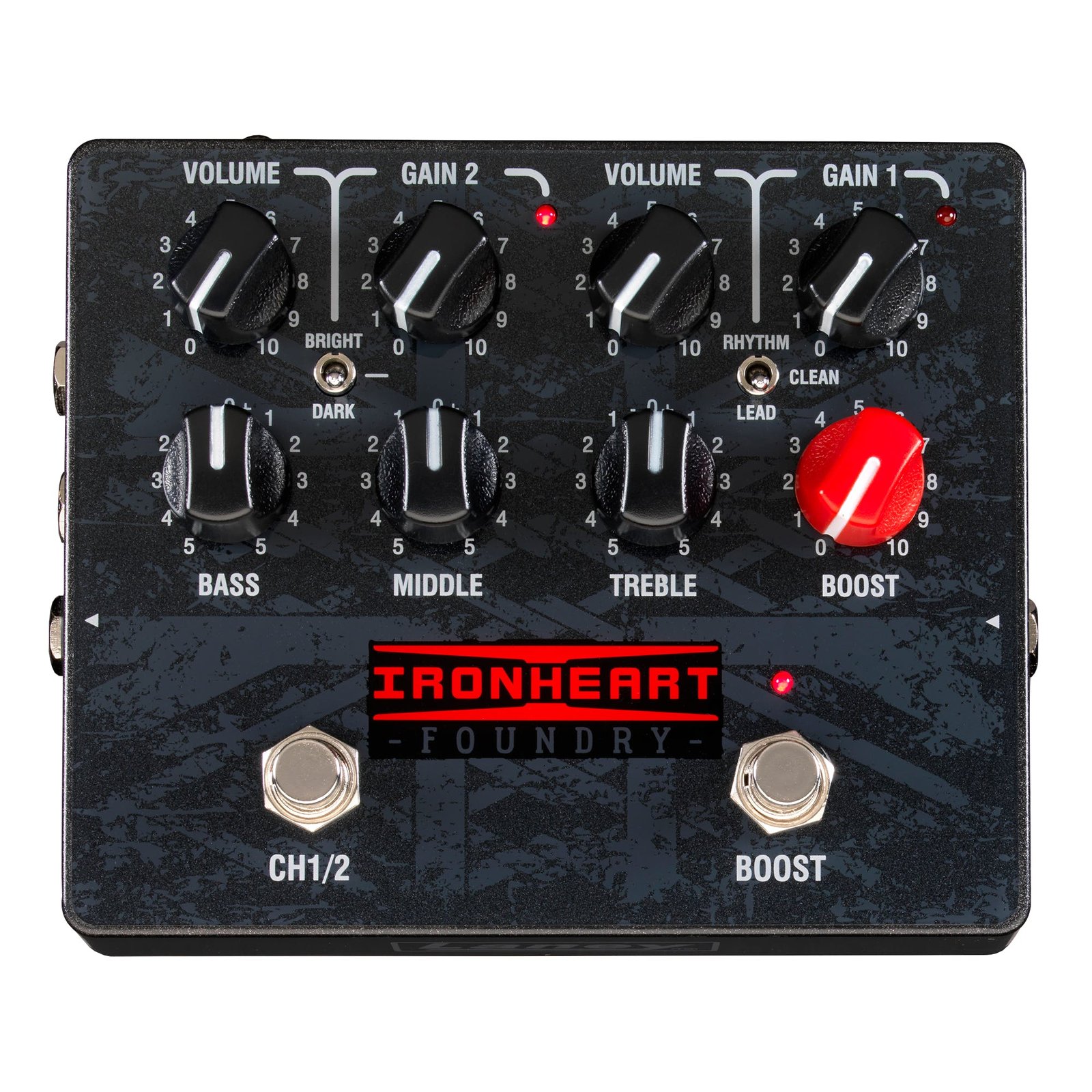

A talk box is a distinctive audio effects device that allows a musician to shape the sound of an instrument using their mouth. By routing the instrument signal through a tube into the mouth, the player can create vowel sounds and speech-like tones that are then captured by a microphone. The effect became widely recognised in rock and funk music during the 1970s and remains a recognisable sonic signature today.
This guide explains what a talk box is, how the effect works technically, how it differs from similar processors, its history and famous recordings, practical setup advice, and tips for achieving clear results.
What Is a Talk Box?
A talk box is an effects unit that sends an amplified instrument signal through a plastic tube. The musician places the end of the tube in the corner of their mouth and shapes the sound by moving their lips, tongue, and jaw as if forming words. A microphone positioned in front of the mouth picks up the filtered sound and sends it to an amplifier or mixing console.
The result is an instrument that appears to “talk.” Unlike purely electronic effects, the talk box uses the physical acoustic properties of the human vocal tract.
How a Talk Box Works
The signal path involves several stages:
- The instrument (most often electric guitar or keyboard) is connected to the talk box.
- The talk box amplifies the signal and directs it into a flexible tube.
- The player inserts the tube into the side of the mouth.
- Mouth movements filter the sound, emphasising certain frequencies to create vowel shapes.
- A microphone captures the sound emerging from the mouth.
- The microphone signal is mixed with or replaces the original instrument signal.
Because filtering happens acoustically inside the mouth, the effect has an organic quality that is difficult to replicate perfectly with digital processing alone.
Talk Box vs Vocoder
Talk boxes and vocoders both create talking-instrument effects, but they operate differently:
- Talk box: routes the instrument signal through a tube into the player’s mouth, which filters the sound acoustically before a microphone captures it.
- Vocoder: uses electronic analysis of a voice to control a synthesiser or another sound source.
Many listeners confuse the two effects, but trained ears can usually distinguish them.
History and Famous Uses
The talk box gained mainstream attention in the 1970s. Several recordings helped establish it as a recognisable effect:
- Peter Frampton used it extensively, most notably on the live album Frampton Comes Alive! (1976). Tracks such as “Show Me the Way” and “Do You Feel Like We Do” brought the effect to a wide audience.
- Joe Walsh featured the talk box on “Rocky Mountain Way.”
- Bon Jovi employed it on the hit “Livin’ on a Prayer.”
- Stevie Wonder used similar techniques with keyboard instruments.
- Various funk and rock guitarists adopted the device in the 1970s and 1980s.
Earlier experiments with similar mouth-filtering techniques existed, but these recordings made the talk box a staple of classic rock production.
Practical Setup and Technique
To use a talk box effectively:
- Position the tube comfortably in the corner of the mouth without blocking speech entirely.
- Practice forming clear vowel sounds (A, E, I, O, U) while playing sustained notes.
- Use a microphone with good rejection to minimise feedback.
- Start with simple phrases before attempting full words or sentences.
- Balance the level between the dry instrument and the talk box signal.
- Keep the tube clean for both hygiene and consistent tone.
- Experiment with different pickup positions and amplifier settings.
Clear articulation and controlled mouth movement significantly improve intelligibility.
Equipment Considerations
A basic talk box setup requires:
- Talk box unit
- Instrument and amplifier or PA system (or direct signal path)
- Microphone and stand
- Appropriate cables
Modern units often include better feedback control and more durable tubing than early designs. Some players also use additional effects before the talk box to shape the base tone.
Strengths and Limitations
Strengths
- Unique and instantly recognisable sound
- Highly expressive when played skillfully
- Works well for both studio and live performance
- Adds a vocal quality without requiring actual singing
Limitations
- Requires practice to sound clear
- Feedback can be an issue at high volumes
- Live volume levels can make monitoring difficult
- Hygiene concerns when sharing equipment
- Less convenient than purely digital effects
- Results depend heavily on the player’s technique
Key Takeaways
- A talk box routes an instrument signal through a tube into the mouth so the player can shape it vocally.
- It differs from a vocoder because filtering is done physically rather than electronically.
- The effect became famous through 1970s recordings by Peter Frampton and others.
- Clear mouth technique and proper microphone placement are essential for good results.
- The talk box remains a specialised but enduring tool in rock and funk music.
Frequently Asked Questions
Is a talk box the same as a vocoder?
No. A talk box uses the player’s mouth to filter a real instrument signal. A vocoder electronically processes a voice to control another sound source.
Can any instrument be used with a talk box?
Guitar and keyboard are the most common. Other instruments can be tried, but the effect works best with sustained, harmonically rich tones.
Is the talk box still used today?
Yes, though less frequently than in the 1970s and 1980s. It still appears when artists want that specific classic vocal-instrument texture.
Does using a talk box require singing ability?
No. The player shapes instrument tones with mouth movements. Actual singing is not required, though good control of vowel sounds helps.








Leave a Reply